
Get Involved
help keep the pulley in motion
At Pulley, a 501c3 nonprofit, we are committed to our mission of highlighting rural poetry, but that doesn’t need to end with us! With your support, we can reach even more incredible poets from communities across the country, financially assist our authors as they work to create new, boundary-defying collections, and push their writing to those who might otherwise miss the invaluable stories being told.
meet some of our storytellers

Ricardo Ruiz created his collection, We Had Our Reasons, in collaboration with his community of Mexican farm workers in Eastern Washington. With each poem appearing side-by-side in Spanish and English, and followed by the biographies, origins, and extended transcripts of interviews, Ricardo’s poems bridge not only language, but also multiple generations and their lived experiences of migration.
In 2023, We Had Our Reasons won the Washington State Book Award for poetry, and has been described as “accounts of an experience between two worlds” by Kirkus Review and as “creating communication between folks who may not have otherwise understood each other” by the Chicago Book Review.
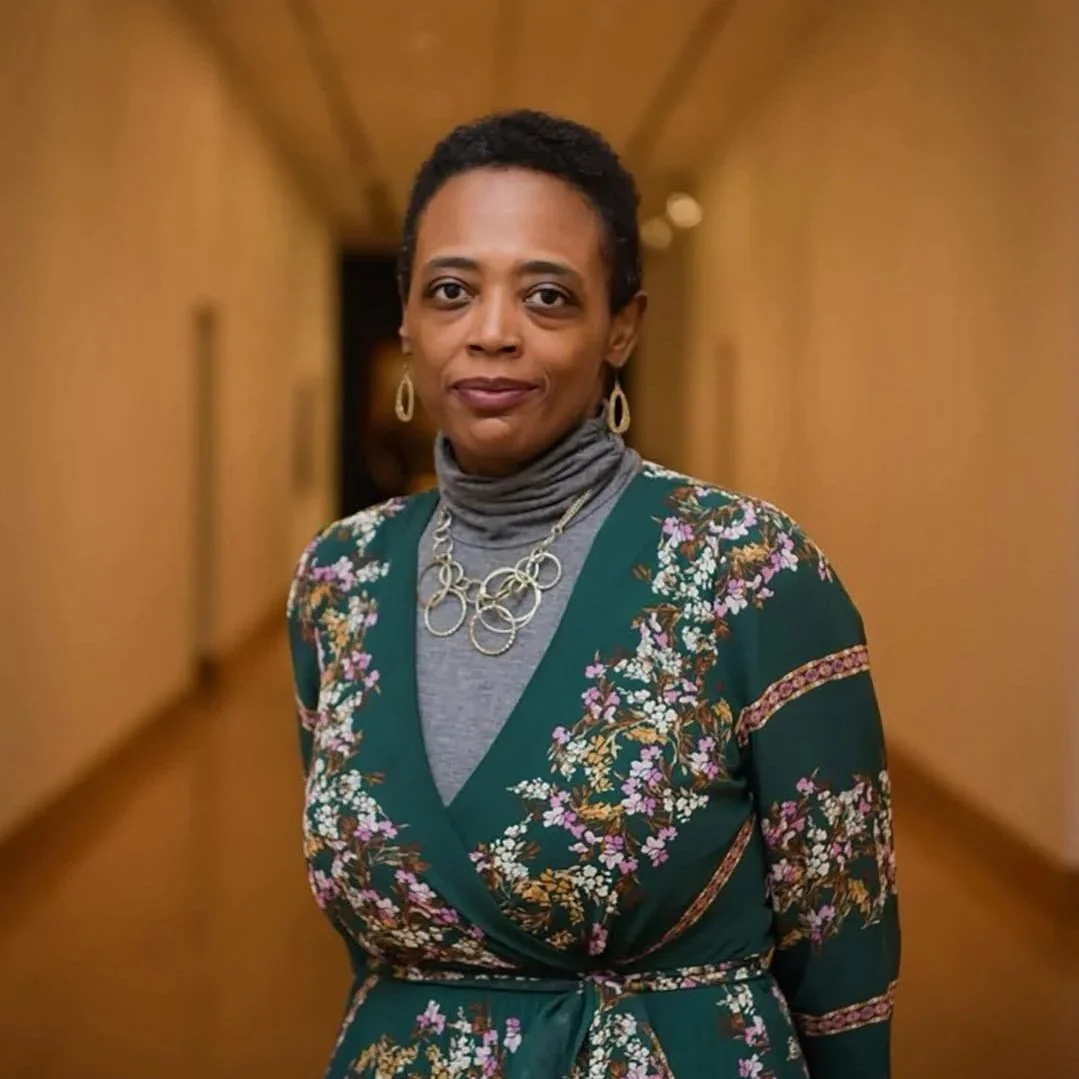
Salaam Green’s book, The Other Revival, centers two houses: the former Wallace House plantation, now the Wallace Center for Arts and Reconciliation, and the Datcher History House, curated by Peter Datcher to archive and honor his family’s history as Black descendants of those enslaved at the Wallace plantation. By interviewing and collaborating with both Black and white descendants of the people connected to these houses, Salaam’s poetry walks the path from attempted erasure to a new kind of history keeping.
Among other accolades, Salaam has since received a 2025 Academy of American Poets Laureate Fellowship and subsequent $50,000 award, with the purpose of giving back to her community and supporting her in upcoming work.

Annie Woodford, a poet from Henry County, Virginia, places her collection, Peasant, in the Southern Appalachian landscape described by artist and childhood friend Alison Hall as “architecture without an architect.” Annie’s poetry gives voice to a community and natural world persisting in the aftermath of heavy industrial trespass. Her work examines Southern Appalachia as a sort of colonial holding of the United States, where transcendent art offers a space of freedom and communal joy despite the appropriation of labor, natural resources, and culture to enrich those outside the region.
Since its recent release in September of 2025, Peasant was quickly requested for review in the Appalachian Journal: A Regional Studies Review, a publication that highlights scholarship, essays, and artistic endeavors on the history, community, and culture of Appalachia.
help us support more rural poets
One-time or monthly donation options!
or
Pulley collection package
The full collection of all nine Pulley titles from the first three years!
we are deeply grateful for your contribution!
Spread the Word
Want to tell your friends about our cause? Click the links below to share!
Thank you!